
Heard a colleague from another part of Australia speak on his issues with weed control and paddock profitability.
It did surprise me a bit to hear him say that leaving a few weeds behind is not the worst thing, as it takes a fair jump in costs to control those last few survivors.
I did not say anything at the time, however those herbicide survivors are certainly providing a genetic springboard or an increased tolerance should I say, to survive similar or increased dose rates of the same mode of action herbicide in the future.
I term this phenomenon as rate creep (or in some cases rate jump) and it is where we need to use higher rates of pesticide to obtain the same control levels on similar sized weeds or pest species even.
So these weed survivors eventually drop seed and of course those seeds will have that genetic propensity for extra resistance or folds as the technical term is.
Then you roll on a few more generations of this weed species growing, being sprayed, having some herbicide survivors, then setting seed and dropping to the ground to increase that herbicide resistant weed seed bank a little more each year.
No mistake here, in that this is a major way for herbicide resistance to get out of control.
Unfortunately myself and many of my older agronomy mates, viewed differently those early 1980 years of minimum or zero tillage and never as a precursor to escalating an early herbicide resistance trend.
If we achieved over 90 per cent weed control after a herbicide application, then we were fairly happy with that result.
Especially with Glyphosate or Roundup CT (450 gram active) being at $23 per litre equivalent and cereal grain prices around that $120 to $135 per tonne.
Now in the enlightened decade of 2020 plus, we know that weed survivors or even pest survivors (insects or disease as well) from a spray event, can lead to increasing levels of pesticide resistance.
So why was my agronomy colleague saying this?
His weed spectrum is different compared to ours is a potential answer, however he was talking in relation to profitability of their sandy soiled single cropping farming system paddocks.
The weed control and cropping systems they face are certainly different to our summer and winter conservation farming systems, so he was just referencing about profitability.
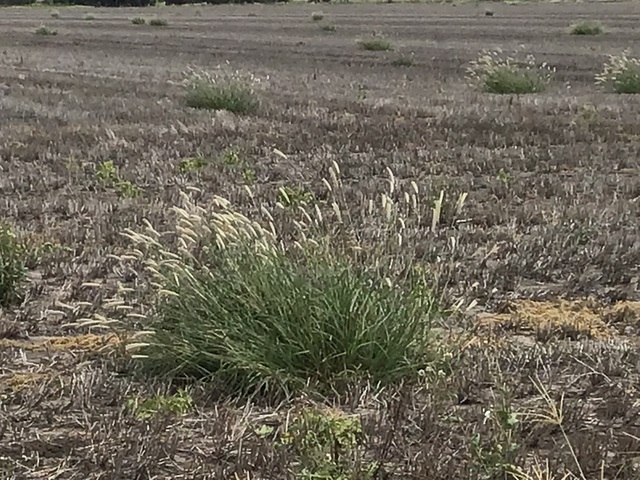
When you consider a farming system as a whole, like in our system and the emphasis we place on our fallow weed control, we know that any weeds in our system deplete soil moisture levels and can drop a huge amount of seed (a single Feather Top Rhodes grass plant can produce 100,000 seeds) as well.
Also as we all know, farm life is always busy and sometimes a few errant weeds be they in the paddock or on a fence line are very low on the list of jobs.
This system difference makes it important for us to control your weeds both in crop and in the fallow part of our farming system.
The amount of investment needed to get our weeds under control in the paddock is well warranted, because if you do leave them go, then yields will decrease due to future weed escapes and grain sample quality is sure to go down.